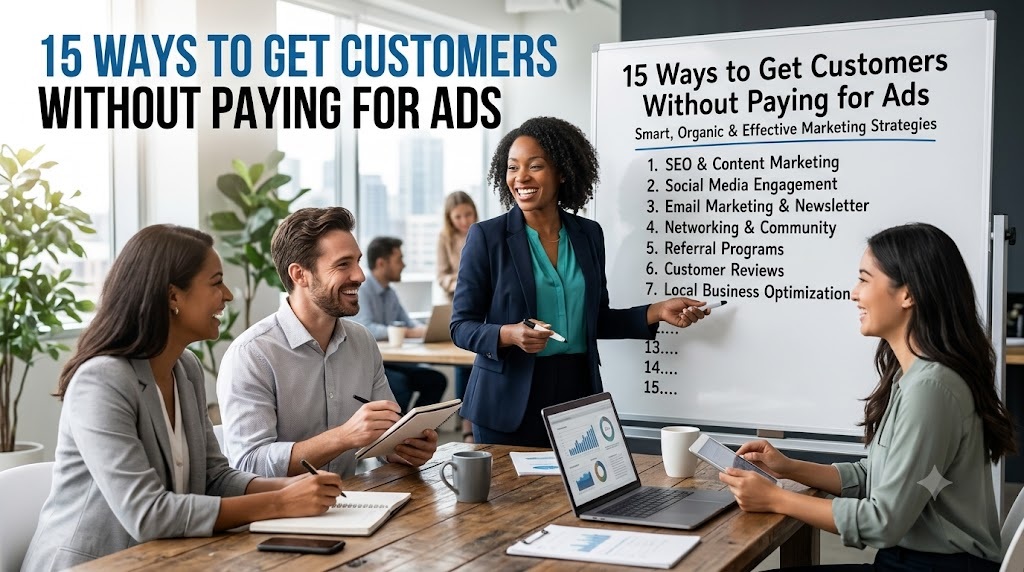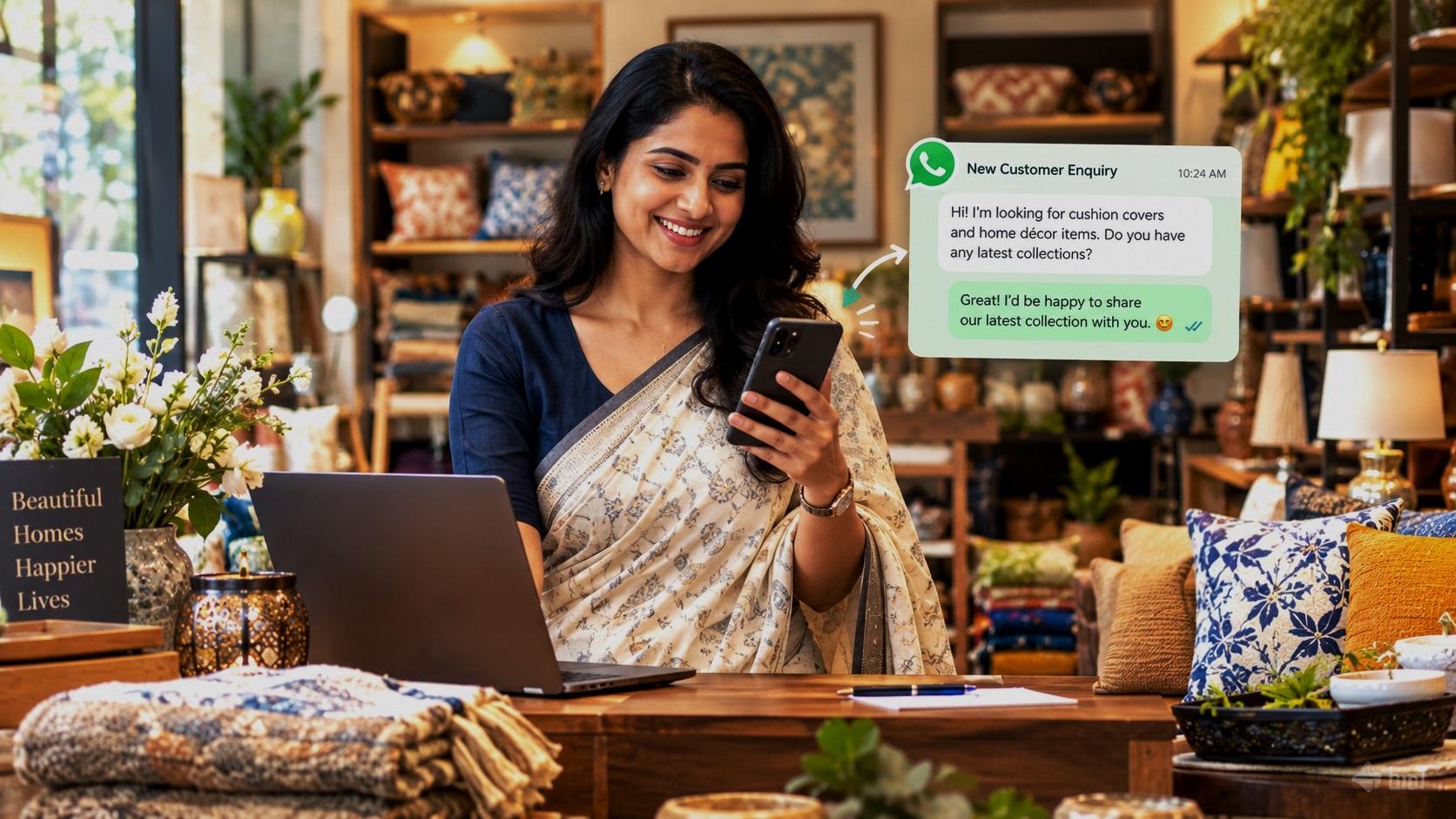

Running a business in India is not easy. Whether you own a shop, coaching centre, restaurant, salon, clinic, bakery, travel agency or home-based business, you need customers to know that you exist.
Earlier, businesses relied mainly on word of mouth, newspaper advertisements, banners and pamphlets to attract customers. Today, people search online before choosing a nearby shop, comparing service providers, booking a class or deciding where to eat.
The good news? You do not need a big marketing budget to start promoting your business online. You can use free digital platforms to help people discover your business, learn about your products and services, contact you directly and become paying customers.
The key is to choose the right platforms, share useful information and make it easy for potential customers to reach you.
This ultimate guide explains 10 practical ways to promote your business online for free in India, even if you have limited technical knowledge or no previous marketing experience.
First, Understand What Online Business Promotion Means
Online business promotion means using the internet to make more people aware of your business and encourage them to contact you, visit your shop, book your services or buy your products.
For example:
- A restaurant wants nearby customers to discover its menu and visit.
- A tuition teacher wants parents to enquire about available classes.
- A clothing shop wants local shoppers to see its latest collection.
- A digital marketing agency wants businesses to request a quotation.
- A home baker wants customers to place orders through WhatsApp.
Although their products and services differ, these businesses share the same goal: getting discovered by the right customers and turning that attention into enquiries and sales.
What Do You Need Before You Start?
Before promoting your business, prepare these basic details:
- Business name: Use the same name consistently across platforms.
- Business description: Explain what you sell, whom you serve and where you operate.
- Contact details: Keep your business phone number and email address updated.
- Location and service area: Mention your city, neighbourhood or the areas you serve.
- Business photographs: Use genuine pictures of your products, premises, team or completed work.
- A clear offer: Tell customers what they can buy, book, enquire about or visit you for.
You do not need a professional website or expensive equipment to begin. A smartphone, an internet connection and accurate business information are enough to get started.
10 Practical Ways to Promote Your Business Online for Free in India
1. Create and Optimise Your Google Business Profile
For a local business, this is one of the most important places to start.
A Google Business Profile helps eligible businesses appear on Google Search and Google Maps. When someone searches for a service in their area, a well-maintained profile can help them discover your business, check your location, view photographs, read reviews and contact you.
For example, a person searching for “best bakery in Indirapuram” may discover local bakeries through Google Search or Maps.
How to Set Up Your Profile Properly
If your business is eligible, create or claim your profile and complete the verification process.
Pay attention to these details:
- Business name: Use your actual business name, not a list of promotional keywords.
- Business category: Select the category that most accurately describes your main activity.
- Address or service area: Provide accurate information according to your business model.
- Phone number: Use a number that customers can reach.
- Opening hours: Update regular hours and holiday timings.
- Products and services: Add relevant offerings and descriptions wherever the available features permit.
- Photographs: Upload genuine pictures that help customers understand what you offer.
- Business description: Explain your services, specialities and service area clearly.
Keep Your Profile Active
Creating a profile is only the beginning. Review your details regularly, respond to customer reviews and publish updates when appropriate.
Ask genuine customers to leave honest reviews after using your products or services. Never purchase fake reviews or offer incentives in exchange for positive ratings.
Also, remember that a Google Business Profile is not a magic button. Your visibility depends on several factors, including relevance, distance and how well-known your business is. No one can guarantee a particular ranking.
Best for: Shops, restaurants, salons, clinics, coaching centres, repair services, local professionals and other eligible businesses that serve customers in person or within a defined service area.
2. List Your Business on Free Online Business Directories
Many business owners believe that creating a Google Business Profile is enough. However, potential customers use different platforms to find businesses, compare services and discover local options.
An online business directory allows you to publish information about your business on a separate website. Depending on the platform, your listing may include your business description, location, products, services, contact information and links to your other online profiles.
For example, a parent searching for tuition classes in Noida might discover a coaching centre through a business directory rather than finding it directly on Google.
What Should You Include in Your Business Listing?
A useful business listing should contain:
- Your correct business name.
- A clear description of your products or services.
- Your city and the areas you serve.
- A working phone number or other contact method.
- Genuine business photographs, where supported.
- Your Google Business Profile link, if available.
- Your website and social media links, if you have them.
Write a description that explains what makes your business useful to customers. Avoid copying the same generic paragraph everywhere.
Choose directories that are relevant to Indian customers, your industry or your location. Check their reputation, terms and actual benefits before submitting your details. Some platforms offer free basic listings alongside paid advertising or premium upgrades.
Try HotList.in for Business Visibility
HotList.in is a business listing and local lead generation platform that helps businesses showcase their products and services online.
Business owners can use HotList.in to publish a business listing and give potential customers another place to discover their offerings. Depending on the listing plan, a profile can also help customers reach the business through available contact options and external links.
A business listing is especially useful for owners who do not have a website yet and want to establish another online presence without investing heavily in digital marketing.
Best for: Local shops, hotels, restaurants, coaching centres, salons, service providers, retailers and small businesses looking for additional online visibility.
3. Use WhatsApp Business to Connect With Customers
WhatsApp is widely used across India, making it a practical communication channel for small businesses. WhatsApp Business provides tools that help eligible businesses present their offerings and manage customer conversations.
However, there is a difference between having a WhatsApp number and using WhatsApp to promote your business effectively.
Set Up Your WhatsApp Business Profile
Install WhatsApp Business if it suits your needs, then complete your business profile with:
- Business name and category.
- A short business description.
- Business address or service area, where relevant.
- Opening hours.
- Contact information.
- A catalogue of products or services, where supported.
Use the catalogue feature to display product photographs, descriptions and prices where appropriate. Customers can browse your offerings without asking you to send every detail individually.
Make It Easy for Customers to Contact You
Add your WhatsApp contact option to your business directory listings, website, social media profiles and other promotional materials where supported.
You can also prepare a short greeting message for new enquiries and quick replies to frequently asked questions.
For example, a coaching centre might use a quick reply explaining the classes offered, teaching mode, available batches and how parents can enquire about fees.
Promote Responsibly
Share useful updates with customers who have agreed to receive them. Ask permission before adding people to groups, and avoid sending repeated unsolicited promotional messages.
Best for: Retailers, home businesses, tutors, consultants, salons, travel agents, restaurants and service providers who handle enquiries or orders directly.
4. Promote Your Business Through Facebook
Facebook remains a useful platform for reaching local communities, especially when your customers participate in neighbourhood groups, city-based communities or industry-related discussions.
You can create a Facebook Page for your business and use it to publish information about your products, services, offers and activities.
Make Your Facebook Page Useful
Start with the essentials:
- Add your correct business name and category.
- Write a clear description of what you offer.
- Include your location and contact details.
- Upload a recognisable profile picture and a genuine cover photograph.
- Add relevant contact or action buttons where available.
- Keep your business information updated.
What Should You Post?
You do not need to publish advertisements every day. Useful content often gives people a better reason to follow your business.
For example:
- A restaurant can share its menu, new dishes and preparation videos.
- A salon can explain different treatments and show its work with customer permission.
- A coaching centre can share study tips, class updates and learning resources.
- A clothing shop can showcase new arrivals and styling suggestions.
- A repair service can explain common problems and how to prevent them.
Participate in Local Facebook Groups
Search for relevant groups in your city or neighbourhood. Read their rules before posting, because some groups prohibit advertising or allow it only on specific days.
Contribute useful answers when people ask questions related to your expertise. If promotional posts are permitted, share a concise introduction to your business and a way to contact you.
Avoid repeatedly posting identical advertisements across multiple groups. It can annoy members and damage your reputation.
Best for: Local retailers, restaurants, fitness centres, coaching businesses, event services, home businesses and companies serving specific communities.
5. Use Instagram to Showcase Your Products and Services
Instagram is particularly useful when people can understand the value of your business by looking at photographs or short videos.
You can use a professional account to showcase your work, answer common questions and help potential customers learn more about your offerings.
Optimise Your Instagram Profile
Make sure your profile clearly communicates:
- What your business does.
- Who your products or services are for.
- Which city or area you serve.
- How customers can contact you.
- Where people can find additional information.
Use a recognisable business name and a short, relevant bio. Include an appropriate contact method and a website or business listing link if available.
Create Content People Want to See
Here are some practical ideas:
| Business type | Content ideas |
|---|---|
| Restaurant or bakery | Menu highlights, food preparation and new products |
| Boutique or clothing shop | New arrivals, styling tips and fabric details |
| Salon | Haircare advice, treatment explanations and finished looks |
| Coaching centre | Study tips, subject explainers and classroom activities |
| Fitness centre | Exercise demonstrations, beginner advice and training routines |
| Home service business | Work demonstrations, maintenance tips and completed projects |
Short videos, especially Reels, can help people discover your content beyond your existing followers. Use clear captions, good lighting and an opening that immediately tells viewers why the content is worth watching.
Use Local Hashtags and Location Tags
If your business serves a particular city, mention the location naturally in your captions and use relevant location tags where available.
For example, a bakery in Jaipur might publish content about its products and mention Jaipur in the caption. This gives viewers useful context and helps you communicate whom you serve.
Hashtags can organise content, but they do not guarantee reach. Relevant content, audience interest and consistency matter more than adding dozens of unrelated hashtags.
Best for: Fashion stores, restaurants, cafés, bakeries, salons, fitness centres, event businesses and visually appealing products or services.
6. Create Short Videos for YouTube and Other Social Platforms
Video marketing does not require an expensive camera, studio or professional editing team.
A smartphone can be enough to create useful videos that explain your products, demonstrate your services or answer questions customers regularly ask.
You can publish short videos on YouTube Shorts and, where suitable, reuse your original content on Instagram Reels and Facebook.
What Videos Should a Small Business Make?
Think about the questions customers ask before making a purchase.
For example:
- A tutor can explain a difficult concept in one minute.
- A restaurant can introduce a popular dish.
- A travel agency can explain what customers should check before booking a tour.
- A plumber can demonstrate simple ways to identify a leaking tap.
- A boutique can show how to style one outfit for different occasions.
- A business consultant can explain a common mistake made by new business owners.
Follow a Simple Video Structure
Start With a Problem or Question
The opening few seconds should tell viewers what they will learn.
For example: “Opening a bakery? Here are three things to check before buying your first oven.”
Give One Clear Answer
Focus on a single useful tip, demonstration or product feature. Avoid lengthy introductions and unnecessary promotional claims.
Tell Viewers What to Do Next
Invite interested viewers to visit your business profile, contact you or explore your services.
Keep your contact information accurate, and use links where the platform supports them.
Make Your Videos Easy to Understand
Record in a quiet place with sufficient lighting. Speak clearly, keep the video focused and add readable captions when practical.
You do not need to go viral to benefit from video marketing. A helpful video that reaches a small number of relevant local customers may be more valuable than a widely viewed video that attracts people who will never buy from you.
Best for: Businesses that can demonstrate their expertise, products, processes or results.
7. Build a Local Network Through LinkedIn
LinkedIn is not just for job seekers and large companies. It can also help business owners connect with potential clients, suppliers, professionals and other businesses.
It is particularly useful for B2B services, consultants, training providers, agencies, manufacturers and professional service firms.
Create a Credible Business Presence
Complete your personal profile and, where appropriate, create a LinkedIn Page for your business.
Explain what you do, which customers you serve and what problems you help solve. Include your location and relevant contact information.
Share Knowledge Instead of Only Advertising
A useful LinkedIn post might explain:
- Three common mistakes businesses make when choosing a vendor.
- How a company can improve its customer service.
- What buyers should check before selecting a service provider.
- A lesson learned while completing a project.
- A practical solution to a common industry problem.
Share genuine examples and useful insights. Avoid exaggerated claims and content that simply repeats promotional slogans.
Connect With Relevant People
Build your network thoughtfully by connecting with people in your industry, potential business customers and local business communities.
Personalise connection requests when appropriate. Participate in discussions by offering meaningful answers instead of immediately sending sales messages.
Best for: Consultants, marketing agencies, IT firms, manufacturers, professional services, corporate trainers and B2B businesses.
8. Use Local Online Communities and Classified Platforms
Your potential customers may already be discussing their needs in neighbourhood communities, local forums and online marketplaces.
These platforms can help you identify demand and introduce your business to people who may benefit from your products or services.
Where Can You Participate?
Depending on your business and location, consider:
- Neighbourhood and resident welfare association groups.
- Local community forums.
- City-based business groups.
- Relevant online classifieds.
- Industry-specific communities.
- Local event and activity groups.
Always check whether commercial posts are allowed and whether the platform is reputable.
How to Promote Your Business Without Spamming
Suppose you run a computer repair service in Gurugram. Instead of posting “Best computer repair service, contact now” repeatedly, you could answer a community member’s question about laptop overheating and explain a few basic troubleshooting steps.
Where permitted, you can then mention that you provide local repair services and share your business contact details.
This approach demonstrates your knowledge and gives people a reason to trust you.
Use Classifieds Carefully
Some classified platforms allow free advertisements in selected categories, while others charge for particular listings or promotional features.
Check the current terms, avoid duplicate advertisements and never misrepresent your products or services.
Be cautious of suspicious requests for advance payments, verification codes or sensitive financial information.
Best for: Home services, tutors, repair technicians, local retailers, event services and businesses targeting a particular neighbourhood or city.
9. Create Useful Content That Answers Customer Questions
Content marketing means publishing information that helps people understand a problem, make a decision or use a product or service.
You do not need to become a full-time blogger. Even a few well-written articles or practical posts can answer important customer questions and give your business additional opportunities to be discovered through search engines.
Start With Questions Customers Actually Ask
Think about the questions you hear before people buy from you.
A tuition centre might answer, “How should parents choose tuition classes for Class 10?”
A salon could explain, “What should you know before getting a hair treatment?”
A local accountant might publish, “Which documents should a small business keep for tax preparation?”
A furniture shop could discuss, “How do you choose furniture for a small apartment?”
These topics are useful because they address real needs rather than simply promoting a business.
How to Write Content That Helps Your Business
Choose One Specific Topic
A focused article is easier to write and more useful than a general article trying to cover everything.
Use Simple Language
Explain the issue clearly. Use examples, practical steps and short paragraphs. Write for customers rather than trying to impress search engines with complicated words.
Include Relevant Local Information
If you serve a particular area, mention it naturally when relevant. For example, an article about choosing a home tutor could include information useful to parents looking for tuition in your city.
Add a Natural Next Step
At the end, tell readers how they can learn more about your services or contact your business. The invitation should relate directly to the article.
Can Free Content Help With Google Rankings?
Useful content can support your search visibility, but publishing an article does not guarantee that it will appear at the top of Google.
Search engines consider multiple factors, including relevance, quality, competition and the overall usefulness of a page.
Focus on genuinely answering questions and building a useful online presence instead of publishing large numbers of thin, repetitive articles.
Best for: Professionals, educational businesses, consultants, service providers, retailers and businesses whose customers research before purchasing.
10. Encourage Customer Reviews, Referrals and Repeat Business
Getting discovered online is important, but it is only one part of growing a business.
People also want to know whether a business is trustworthy, whether its products are reliable and whether previous customers have had a good experience.
Honest reviews, personal recommendations and positive customer relationships can help build that confidence.
Ask Satisfied Customers for Honest Reviews
After completing a service or fulfilling an order, ask customers if they would be willing to share an honest review on an appropriate platform.
Make the process simple by sharing the correct review link.
Never buy reviews, create fake customer accounts or pressure customers to provide positive feedback. Genuine feedback is more valuable than an artificially high rating.
Respond Professionally to Reviews
Thank customers who leave positive feedback. If someone raises a genuine concern, respond politely and try to resolve the issue.
Avoid sharing private customer information in public replies.
A professional response to criticism can demonstrate that your business takes customer satisfaction seriously.
Encourage Referrals
Satisfied customers may recommend your business to friends, relatives and colleagues.
You can encourage this naturally by providing reliable service, explaining your offerings clearly and asking happy customers to share your business details with people who may need them.
If you offer referral rewards, explain the conditions honestly and comply with the relevant platform’s policies.
Stay Connected With Existing Customers
Where customers have agreed to receive updates, share useful information about new products, seasonal services or relevant offers.
Avoid unnecessary messages. The goal is to remain helpful and memorable, not to overwhelm people with advertisements.
Best for: Almost every business, especially those that depend on trust, repeat purchases and recommendations.
How to Choose the Right Free Promotion Methods for Your Business
You do not need to use every platform at once. Start with the methods that fit your business, your customers and your available time.
| Business type | Recommended starting points |
|---|---|
| Retail shop | Google Business Profile, business directories, WhatsApp Business and Instagram |
| Restaurant or café | Google Business Profile, Instagram, Facebook and short videos |
| Coaching centre or tutor | Google Business Profile if eligible, directories, YouTube and Facebook |
| Salon or beauty business | Google Business Profile, Instagram, WhatsApp Business and customer reviews |
| Home service provider | Google Business Profile if eligible, local communities, directories and reviews |
| Consultant or agency | LinkedIn, useful articles, business directories and professional networking |
| Home-based business | WhatsApp Business, Instagram, relevant local groups and online directories |
| B2B company | LinkedIn, business directories, useful content and professional referrals |
These are starting recommendations, not rigid rules. For example, a home-based business may not qualify for a Google Business Profile if it does not meet Google’s eligibility requirements. A business serving customers entirely online should choose platforms appropriate to its actual business model.
A Simple 30-Day Free Online Promotion Plan
The biggest challenge for many business owners is not understanding what to do. It is finding the time to do it consistently.
Use this four-week plan to build your online presence without trying to manage everything on the first day.
Week 1: Establish Your Online Presence
Goal: Make your business easier to find.
- Check or create your Google Business Profile, if eligible.
- Prepare a clear business description and accurate contact details.
- Create a WhatsApp Business profile if useful for your business.
- Set up or improve one relevant social media page.
- Submit your business to a suitable free online directory, such as HotList.in.
By the end of the first week, your basic business information should be available on the platforms most relevant to your customers.
Week 2: Publish Useful Content
Goal: Give potential customers a reason to notice you.
- Publish two or three useful social media posts.
- Share genuine product or service photographs.
- Create one short video demonstrating a product, process or useful tip.
- Answer a common customer question in a post or short article.
- Share relevant updates through appropriate channels.
Focus on quality and usefulness rather than publishing simply to meet a quota.
Week 3: Build Trust and Local Connections
Goal: Help potential customers feel confident about contacting you.
- Ask satisfied customers for honest reviews.
- Respond to existing customer feedback.
- Participate in relevant local or industry discussions.
- Connect with potential business partners or customers.
- Share useful information in communities where business promotion is permitted.
Do not send unsolicited bulk messages or post advertisements where they are prohibited.
Week 4: Review Results and Improve
Goal: Identify what is bringing genuine business enquiries.
- Check which posts received meaningful engagement.
- Review enquiries received through phone, WhatsApp and other channels.
- Ask new customers how they discovered your business.
- Identify which platforms generated useful leads.
- Continue the activities that produced the best results.
At the end of 30 days, you should have a clearer understanding of where your customers discover your business and which promotional activities deserve more attention.
How to Measure Whether Your Free Promotion Is Working
Online visibility is useful, but visibility alone does not pay your bills. You need to understand whether your promotional efforts are leading to customer enquiries and sales.
Track a few simple numbers every week.
1. Business Profile Performance
Where platform analytics are available, review how customers discover your business and which interactions they make, such as website visits, calls or direction requests.
2. Website and Listing Visits
Check how many people visit your website or business listing. More visits can be encouraging, but their quality matters more than the total number alone.
3. Customer Enquiries
Count genuine enquiries received through calls, WhatsApp, email, social media and contact forms.
Record where each enquiry originated whenever possible.
4. Sales and Bookings
Track how many enquiries result in a purchase, booking, appointment or paid service.
For example, if Instagram brings 40 enquiries but only one purchase, while a business directory brings 12 enquiries and four purchases, the directory may be generating more valuable leads for your business.
5. Time Spent on Promotion
Your time is valuable, too. Compare the effort required by each platform with the enquiries and sales it generates.
A simple spreadsheet can help you monitor these numbers without paying for specialised software.
Common Mistakes to Avoid When Promoting Your Business Online
Even free marketing can waste time when it is poorly managed. Avoid these common mistakes.
Trying to Be Everywhere at Once
Managing ten platforms badly is less useful than maintaining three platforms properly. Start with the channels your customers actually use.
Posting Only Advertisements
People do not want to see constant sales messages. Share useful information, demonstrations, answers to common questions and genuine business updates alongside promotional posts.
Using Inconsistent Business Information
Different phone numbers, outdated opening hours and conflicting addresses can confuse customers. Keep your details accurate and consistent.
Ignoring Customer Enquiries
A potential customer may contact several businesses. Respond promptly when possible, answer questions clearly and explain the next step.
Buying Fake Reviews or Followers
Artificial engagement does not guarantee genuine customers and can damage your credibility. Build your audience through relevant content, reliable service and honest customer feedback.
Expecting Immediate Results
Online promotion takes time. Some methods may generate enquiries quickly, while others may take months to build visibility. Results depend on your industry, location, competition and execution.
Assuming Free Means No Effort
You may not need to pay a platform to publish a basic listing or post, but you still need to invest time in maintaining your information, creating content and responding to customers.
Do You Need a Website to Promote Your Business Online?
A website can be valuable, but you do not have to build one before beginning online promotion.
You can start with a Google Business Profile where eligible, a suitable business directory listing, a social media page and WhatsApp Business.
These platforms can help potential customers discover your business and contact you.
However, a website becomes increasingly useful when you want greater control over your online presence, detailed product or service pages, customer enquiries, online bookings or e-commerce functionality.
It also gives you a dedicated place to publish useful articles and explain your offerings in detail.
A practical approach is to establish your basic online presence first and invest in a website when it supports your business goals and budget.
Can You Promote Your Business Online for Free Without Hiring a Digital Marketing Agency?
Yes. Many small businesses can handle the basics themselves.
You can create a business profile, publish social media posts, share product photographs, write useful articles, request honest customer reviews and participate in relevant communities without hiring an agency.
Start with a manageable routine. For example, spend 20–30 minutes a day updating your business information, publishing useful content or responding to enquiries.
As your business grows, you can decide whether paid advertising, professional content creation or specialised marketing support is worth the investment.
Be realistic about what you can manage. A simple, consistent approach is usually more practical than an ambitious plan that you abandon after a week.
Start Small, Stay Consistent and Make Your Business Easy to Find
Promoting your business online for free in India is possible, but success depends on more than creating accounts and posting advertisements.
You need accurate business information, useful content, trustworthy customer feedback and convenient ways for potential customers to contact you.
Start by establishing your presence on the platforms most relevant to your customers. Improve your Google Business Profile if eligible, use WhatsApp Business where appropriate, publish useful social media content, list your business on relevant directories and build relationships with customers.
Most importantly, track which activities generate genuine enquiries and sales. Spend more time on the methods that work for your business instead of trying to follow every marketing trend.
If you are looking for another place to showcase your business online, explore the listing options on HotList.in. A business listing can help you present your offerings and give potential customers another way to discover your business.
You do not need a huge marketing budget to take the first step. Start with what you have, make your business information easy to find and build your online presence one useful action at a time.
Frequently Asked Questions
1. What is the best way to promote a small business online for free in India?
Start with an eligible Google Business Profile, relevant free business directories, WhatsApp Business and one or two suitable social media platforms. The best combination depends on your industry, location and target customers.
2. How can I promote my local shop on Google for free?
Create or claim an eligible Google Business Profile, verify it, add accurate business information, upload genuine photographs, maintain opening hours and encourage honest customer reviews. Visibility is not guaranteed, but a complete and accurate profile can help customers discover your shop.
3. Can I advertise my business online without a website?
Yes. You can use suitable business directories, social media profiles, WhatsApp Business and other relevant platforms to introduce your products or services and receive enquiries. A website can be added later as your business grows.
4. Where can I list my business online for free in India?
You can explore Google Business Profile, where eligible, and relevant business directories such as HotList.in. Check each platform’s eligibility rules, free-plan features and terms before submitting your business details.
5. How can I get more customers through WhatsApp?
Set up a clear business profile, organise your product or service information, respond promptly to enquiries and share useful updates with customers who have agreed to receive them. Make it easy for interested people to contact you through your other online profiles.
6. How long does free online business promotion take to show results?
There is no fixed timeline. Some businesses may receive enquiries soon after improving their online presence, while others may need several weeks or months of consistent effort. Results depend on demand, competition, customer trust and the quality of your promotion.
7. Is free online promotion enough for a small business?
It can be enough to establish an online presence and generate enquiries, particularly when you are starting out. As your business grows, you may decide to invest in a website, paid advertising or professional marketing based on measurable results.
8. What should I do first if my business is not getting online enquiries?
Check that your contact information is correct, your offerings are clearly explained and your profiles are easy to navigate. Publish useful content, make contacting you simple and track where visitors come from. If people visit your profiles but do not enquire, review whether your information answers their questions and gives them a clear reason to contact you.
Related Posts
How to Get More Customers for Your Small Business in India
How to Rank Higher on Google Maps and Attract More Local Customers
How to Get More Customers from Your Google Business Profile
Effective Ways to Generate Online Customer Leads for Your Local Business in India